

Winter-Ready: Air Suspension Maintenance Tips for Cold Weather
12/10/2025
As winter weather sets in, being prepared is more than just snow tires and a shovel – it’s making sure your air suspension system is ready for cold temperatures, snow, salt, and freeze-thaw cycles. Whether you tow trailers, haul gear, or drive daily in winter conditions, these maintenance steps can help your ride stay safe, stable, and functional all season long.
Why Winter Weather Matters for Air Suspension
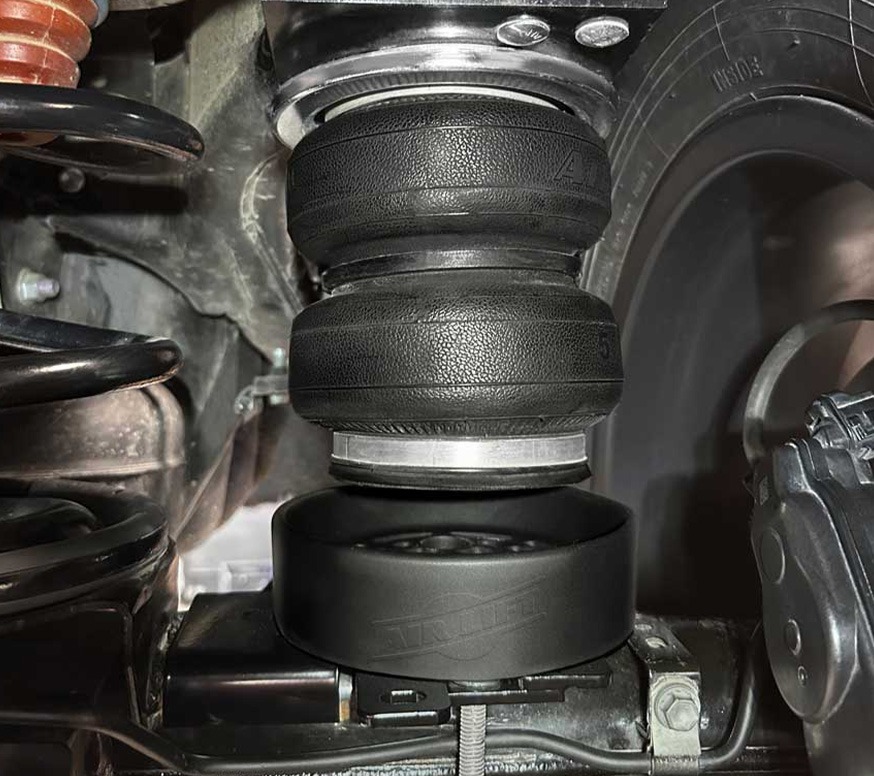
Air suspension gives you load-leveling, towing support, and ride flexibility, but cold weather brings risks. Moisture in air lines and components can freeze. Rubber air springs and hoses become less flexible. Salt, slush, and road spray can accelerate wear. Being proactive can help prevent system issues, leaks, and even safety hazards.
Key Winter Maintenance Tips for Your Air Suspension System
Drain moisture before winter
Any accumulated water inside your air system, in tanks, lines, or valves, can freeze and block airflow or damage components. Drain tanks and purge moisture before the first freeze.
Inspect air lines, fittings & valves
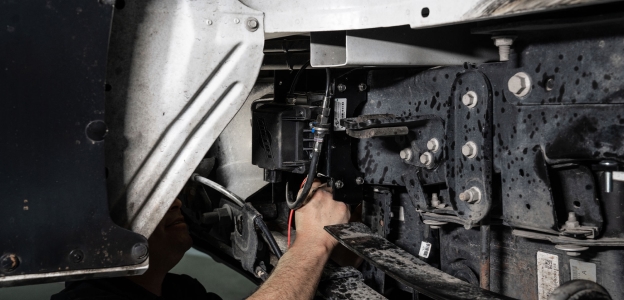
Cold makes rubber and plastic more brittle. Inspect hoses, fittings, and valves for cracks, wear or leaks. Replace components that look worn to avoid winter failures.
Wrap or insulate exposed air lines if possible
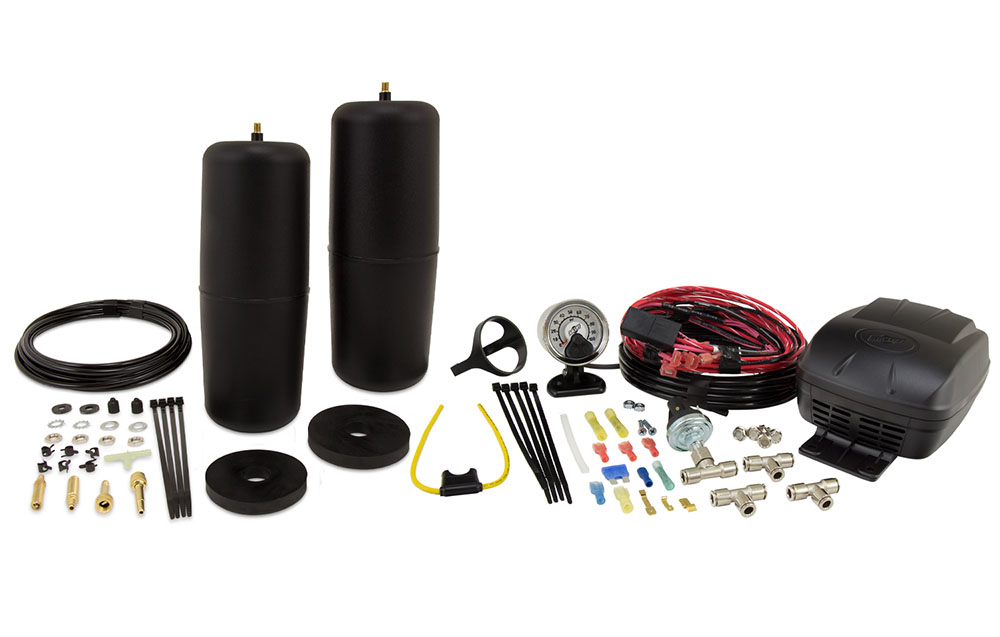
Use closed-cell foam insulation or protective sleeves on exposed air lines or connections to minimize freezing risk. Make sure lines are routed without kinks or low spots where water can pool.
Use dry, clean compressed air
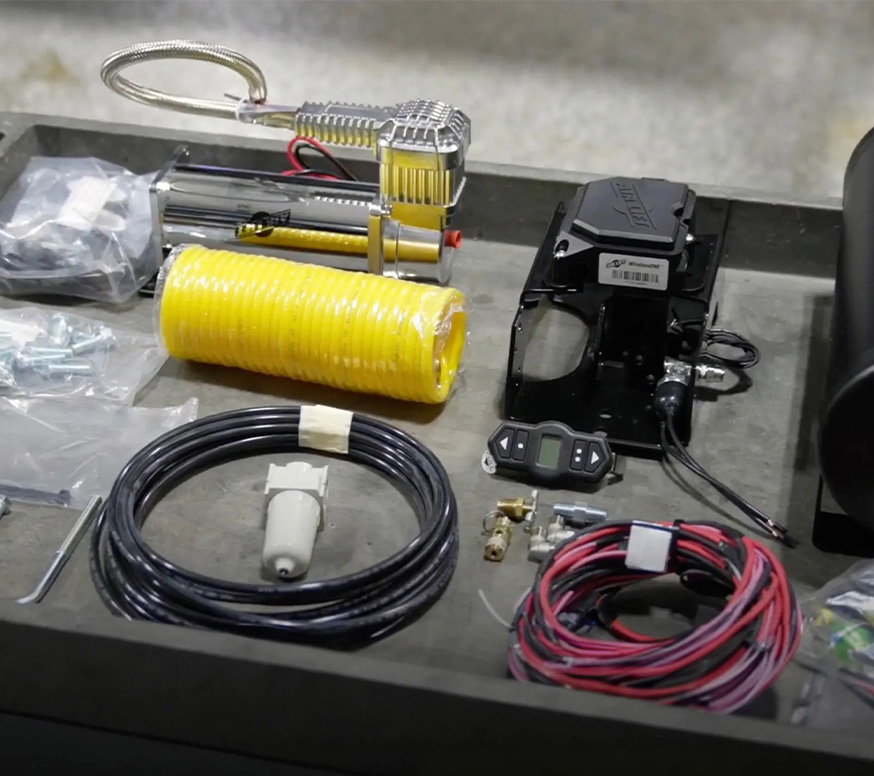
Moisture condensation inside compressed air can build over time. If your system uses an on-board compressor, consider a water trap or air-dryer – especially if your setup sees heavy use or sits unused for days.
Regularly check shock absorbers and air springs after winter weather
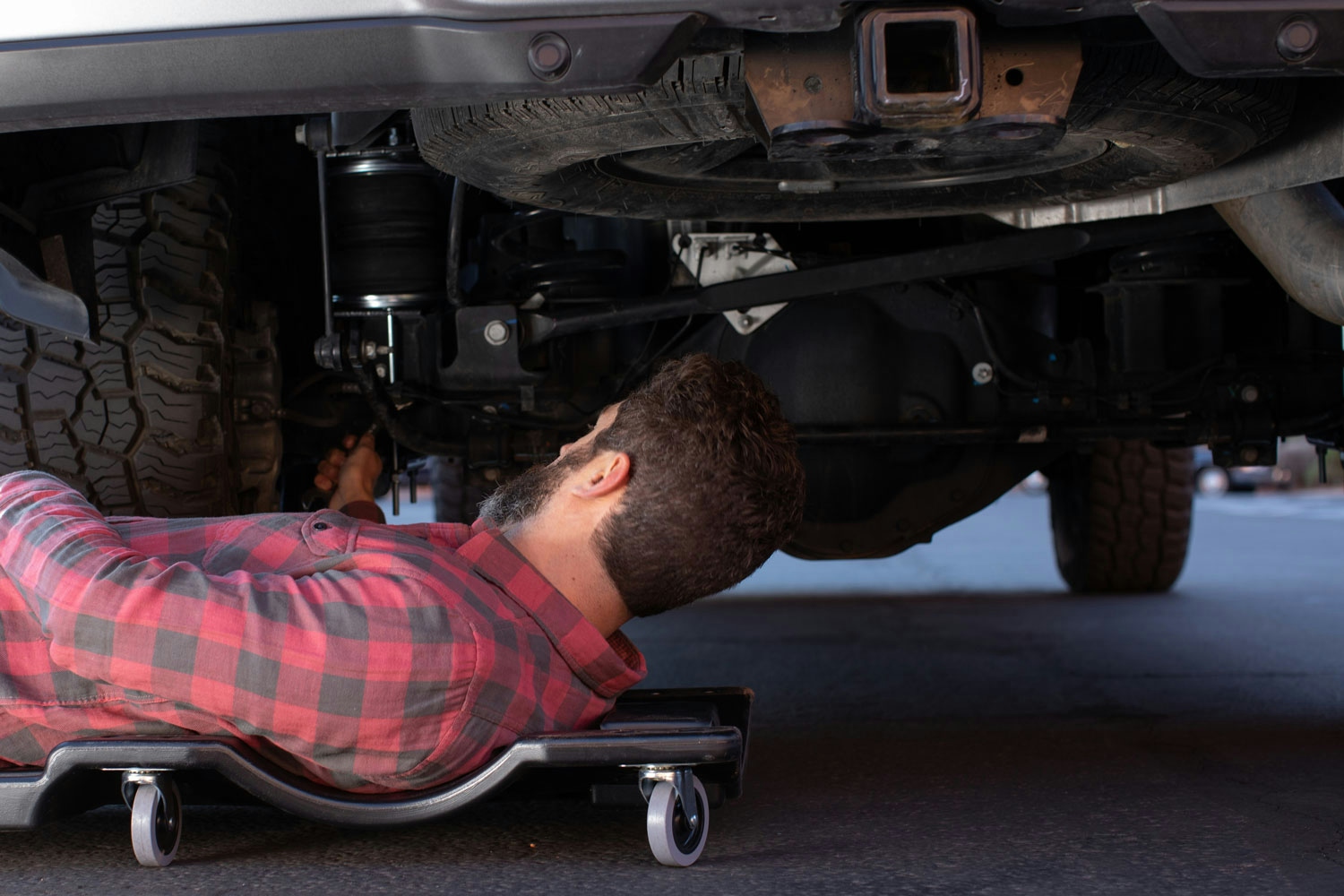
Cold + slush + salt can accelerate corrosion or wear. Rinse off road salt, grime, and chemicals, and inspect air springs, mounts, and shock components for signs of abrasion or damage.
Adjust air pressure carefully as temperature changes
Because air pressure drops with temperature, your ride height and load support can shift when it gets cold. Check air spring pressures on cold mornings (before driving) and adjust as needed for level stance and ride control.
Keep a winter emergency kit and tools in your rig
Snow, ice, salt, and cold can combine for unexpected breakdowns. Make sure you have a shovel, flashlight, extra gloves/blanket, jumper cables, and a portable air pump or compressor if possible. It’s a good backup plan if your system needs on-the-spot repairs.
Pro Tip for Air Suspension Owners
If you live in a region with frequent freeze-thaw cycles or heavy snow: consider pairing your air suspension with a water trap and air-dryer setup. These simple accessories can dramatically reduce moisture-related problems: a worthwhile investment for winter reliability.
Also, treat early-season cold snaps seriously. Check system pressure, inspect hoses and fittings, and confirm that the system holds air before hooking up a trailer or loading heavy cargo.
Winter Doesn’t Have to Mean “Parked”
With a bit of planning and regular maintenance, air suspension systems can perform reliably all winter long. A quick inspection, moisture purge, and a few simple precautions can save you from freeze-up problems, leaks, or ride instability. Whether you tow year-round or just want peace of mind on a winter commute, stay ready, stay safe, and ride confident.

Do It Yourself
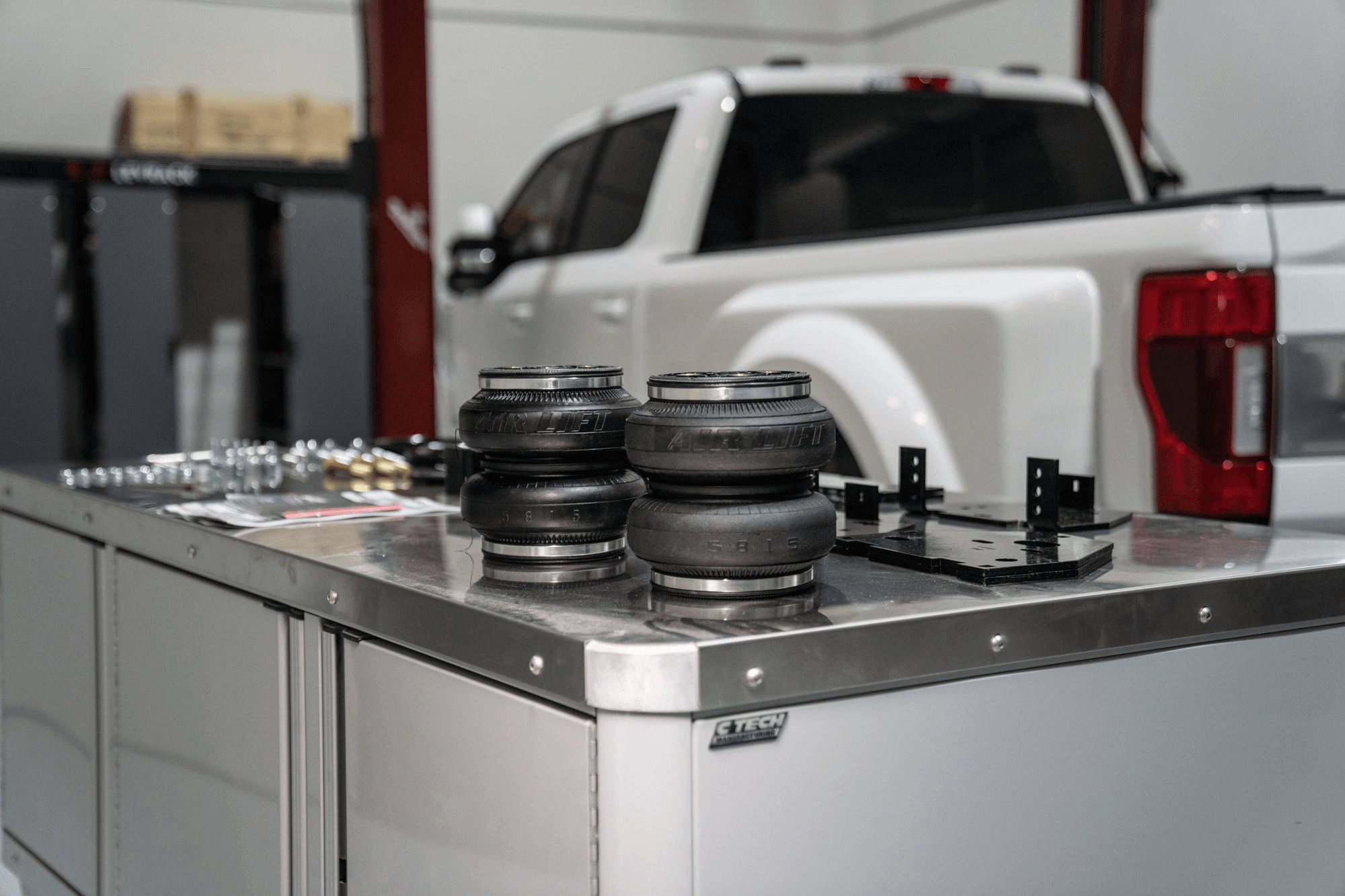
Every Air Lift air spring kit is designed to perfectly fit your vehicle. Enter your truck details and get started!
Find Your Vehicle